flood AWARENESS
Stay ahead of the storm by familiarizing yourself with this resource before the rainy season begins. It provides essential hydrology tools for monitoring live river and stream gauges, allowing you to track official forecasts, flood warnings well before the water starts to rise, and much more.
Humboldt County’s public alert and warning system. This is an opt-in system, meaning you must sign up to receive the alert.

Genasys (formally known as Zonehaven), is an evacuation management platform. Residents are encouraged to "Know Your Zone" before the next emergency.
PREPARE + SURVIVE
PREPARE
✓ Move valuables to higher shelves or floors.
✓ Keep nearby storm drains clear of debris.
✓ Get plastic tarps and sandbags to block floodwater.
✓ Learn the best escape route to higher ground.
✓ Plan transportation to get everyone, including pets and livestock, to safety.
✓ Keep your car's gas tank at least half full.
✓ Plan for power outages, especially for any medical devices powered by electricity and refrigerated medicines. Charge devices and backup batteries.
✓ Be ready to shelter in place with some gallon jugs of water, food you could eat if there is no power, and other items that you use every day.
✓ Talk to neighbors about how you could work together to help keep each other safe.
SURVIVE
✓ Follow reliable information sources.
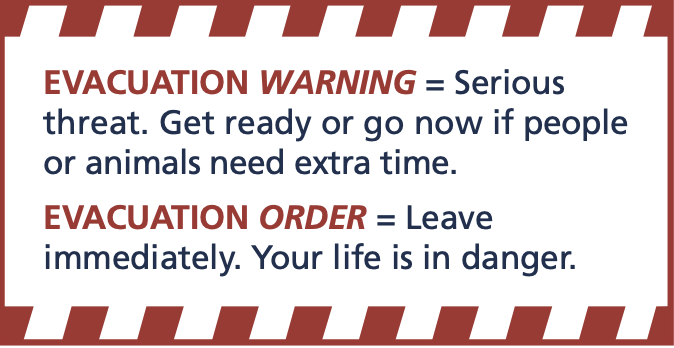
✓ Leave immediately when told by officials to go.
✖︎ Never walk or swim in moving water. Just six inches of moving water can make you fall.
✖︎ Never drive into flooded areas. A foot of water will float many vehicles; two feet can sweep away a truck.
✓ If trapped inside by floodwaters, move to higher floors or roof, but not attics.
✓ Call 9-1-1.
✖︎ Avoid contact with floodwater.
✓ Stay alert for mudslides near burn scars.
RECOVER
✓ Check in with family, friends, and neighbors. If cell towers are down or overrun, try texting.
✓ Wait until officials say it is safe to go home. If you can't go home, dial 2-1-1 to find safe shelter.
✓ Beware of falling trees and damaged structures.
✓ Check for gas leaks and downed power lines. If gas or electrical appliances were flooded, check them for safety before using.
✓ Listen for official announcements on the safety of public water. Wells that flooded should be tested and disinfected.
✓ Be aware potential hazardous chemicals may have been moved or buried by flooding.
✓ If you have flood damage, contact your local emergency manager. Find other recovery resources on government websites.
RESOURCE LINKS+ AGENCIES
-
Visit the County of Humboldt’s Flooding Hazards page for regionally relevant tips and guides to stay safe during flooding events.
-
Easy-to-follow preparedness guides available in multiple languages. Includes checklists for "Go-Bags" and tips on creating a family emergency plan.
-
State-specific advice on flood-proofing your property, using sandbags effectively, and staying "Winter Wise."
-
Crucial for local farmers and ranchers. This site lists specialized grants, livestock assistance, and low-interest loans for agricultural businesses.
-
An interactive tool where users can enter their address to discover local flood, earthquake, and fire risks, along with specific steps to reduce them.
-
A comprehensive guide on "Flood Ready" actions, including how to read flood maps and tips for protecting your home with sandbags.
-
Clear information for Californians on why standard homeowner policies don't cover floods and how to bridge the gap with the National Flood Insurance Program (NFIP).
https://www.insurance.ca.gov/01-consumers/140-catastrophes/FloodFacts.cfm
-
The most reliable source for real-time road closures, flooding on highways, and chain requirements during winter storms.
-
While a partnership with NOAA, this specific branch focuses on California's unique watersheds, providing detailed graphical river forecasts.
Humboldt Office of Emergency Services
Federal Emergency Management Agency
national + federal
-
The official source for flood hazard information. Use this to find your specific flood zone and understand the risk level for your home or business.
-
Essential health safety information on returning home, including how to safely handle mold, contaminated water, and structural damage.
-
Most homeowner insurance doesn't cover flood damage. Learn about coverage options and find an agent before the season begins—there is typically a 30-day waiting period for new policies.
-
The primary federal portal for flood safety. It offers comprehensive checklists for building emergency kits, making a family plan, and "last-minute" safety tips for when a flood is imminent.
-
A technical but readable guide on safely returning to a flooded home, specifically focusing on mold remediation and the safe use of portable generators.
https://www.epa.gov/indoor-air-quality-iaq/resources-flood-cleanup-and-indoor-air-quality
-
The Disaster Resource Center provides information on how to prepare, recover and build long-term resilience during disasters and emergencies.
-
A real-time map showing streamflow and water levels from thousands of gauges across the country. It is an excellent tool for visual learners to see which rivers are currently at "action" or "flood" stages.
-
A free service that allows you to set up customized email or text messages for any river gauge. You can choose to be notified the moment a specific stream or river hits a certain height.
-
Information on the "All Hazards" radio network. We recommend every household have a battery-operated weather radio to receive automatic alerts even if the power is out or cell towers are down.

California Office of Emergency Services
NOAA | National Weather Service
loop
RESOURCES + GUIDES
Quick Flood Safety Guide
This quick reference focuses on safety before, during and after flooding.
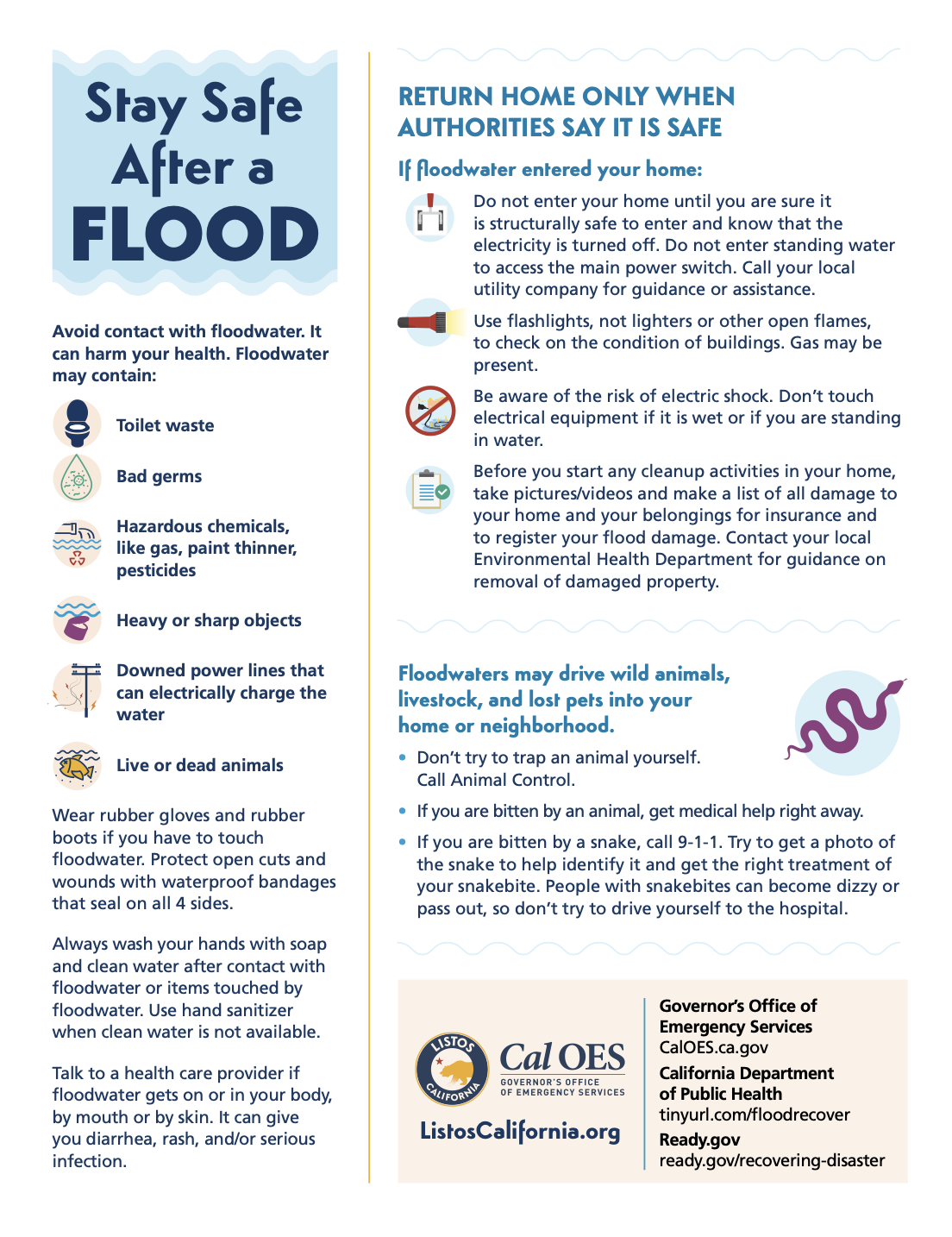
STAY SAFE AFTER A FLOOD
Returning home after a flood can be dangerous and life-threatening.
Only return to your home when authorities say it is safe to do so.
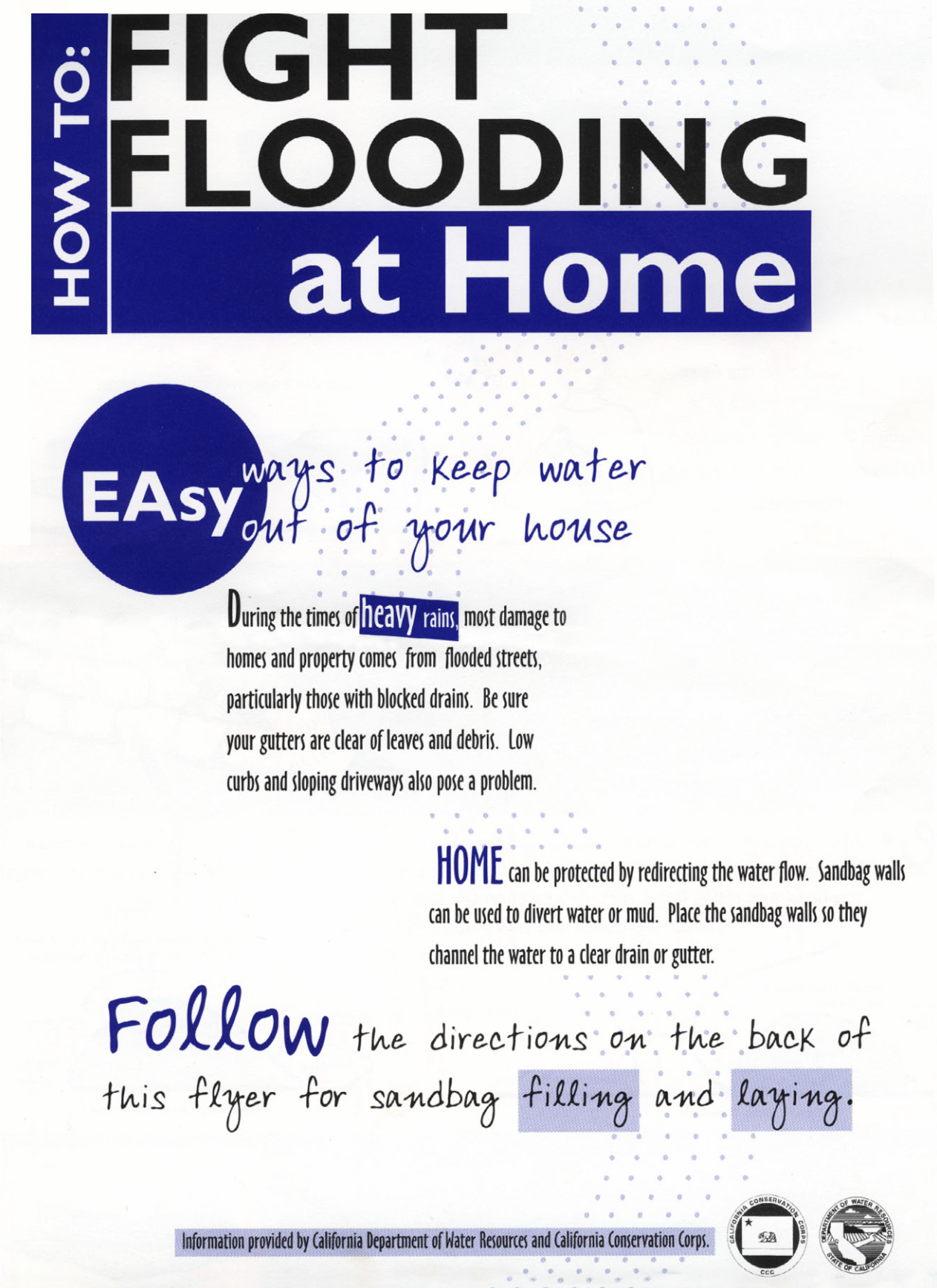
Flood Fighting at Home
A quick reference guide to filling and placing sandbags around your home.
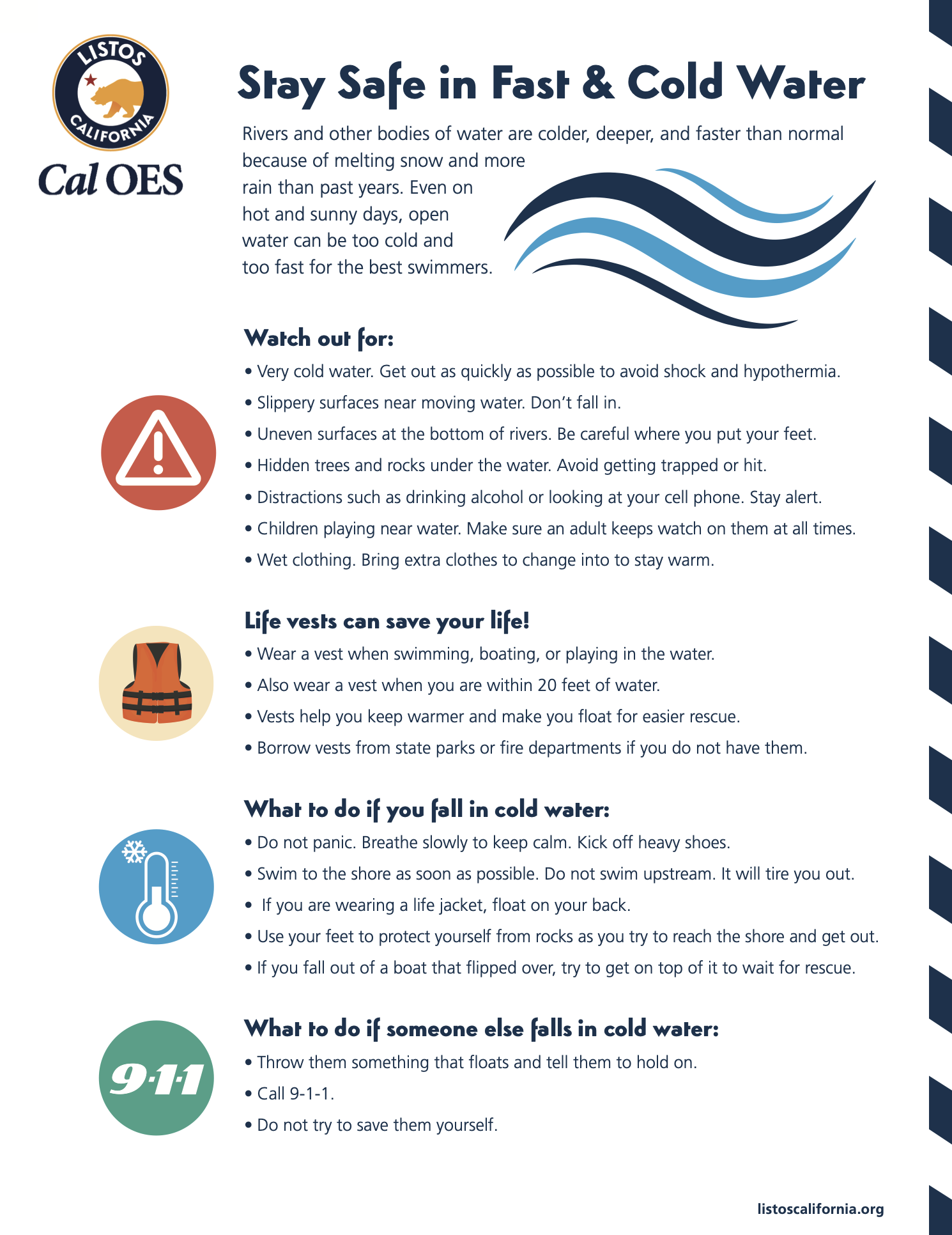
Fast + Cold Water Safety
Rivers and other bodies of water are colder, deeper, and faster than normal because of melting snow and more rain than past years.
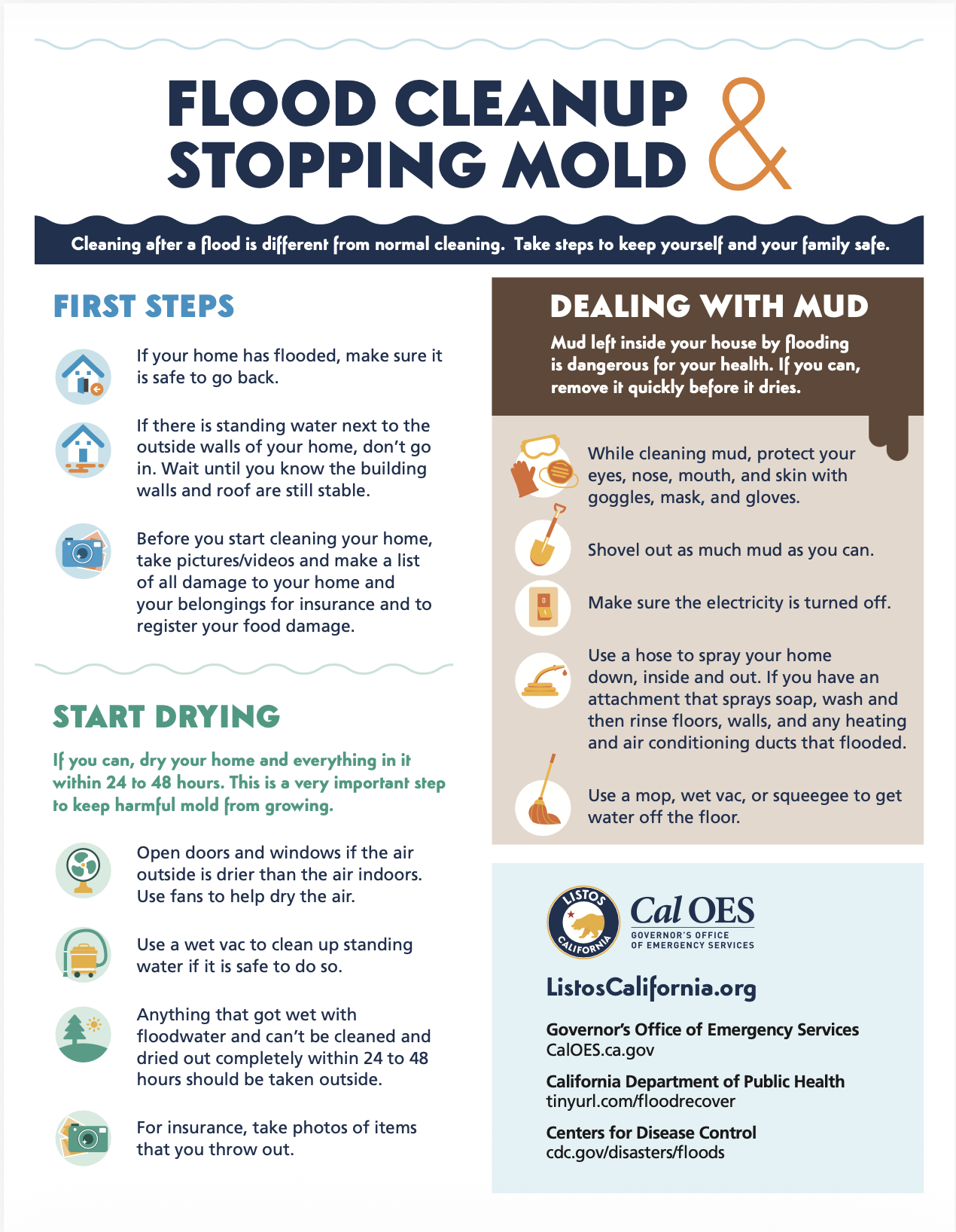
Cleanup and Stopping Mold
Cleaning after a flood is different from normal cleaning. Take steps to keep yourself and your family safe.
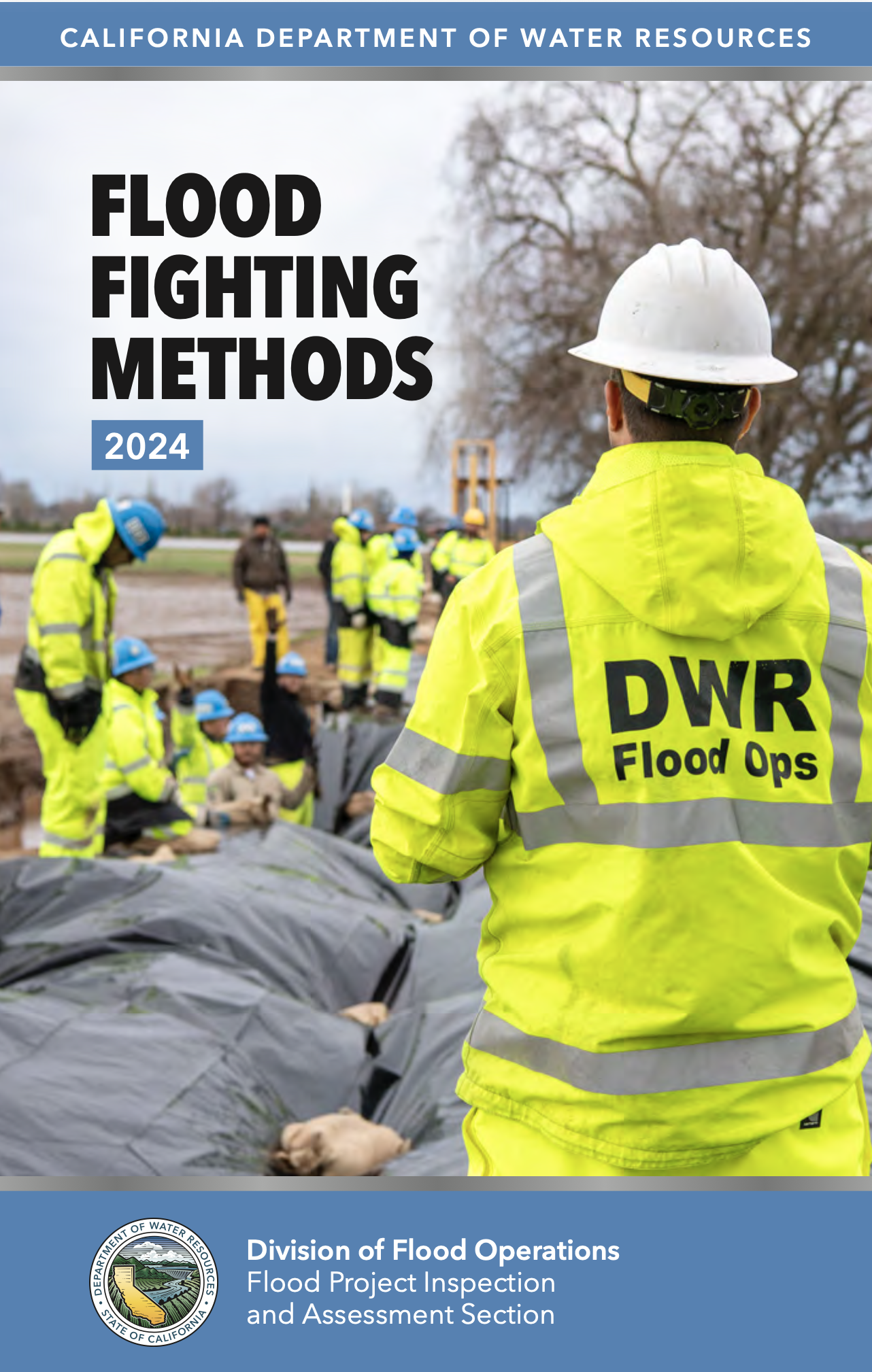
Flood Fighting Methods
Provided by the California Department of Water Resources, this guide focuses on major flood fighting methods.
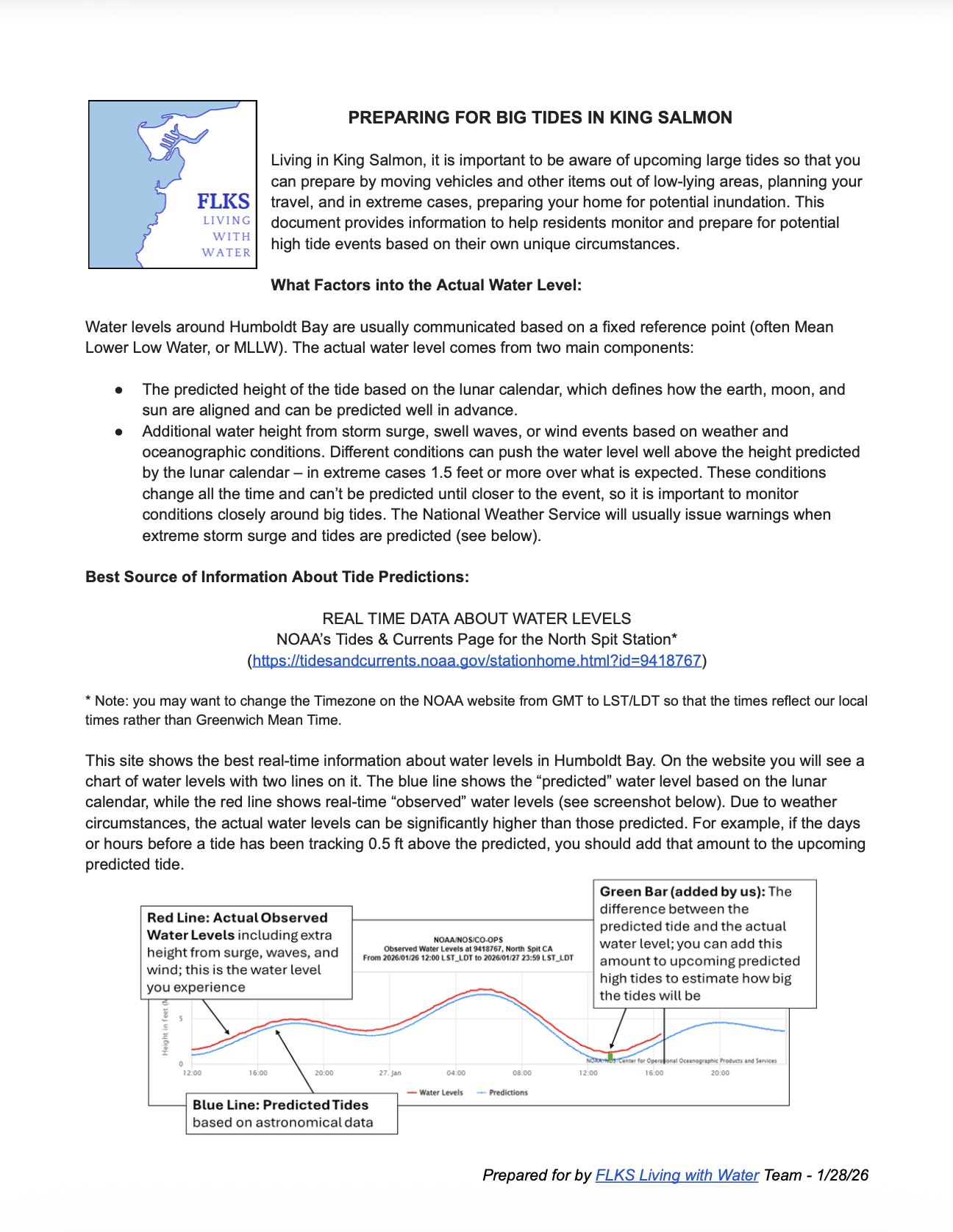
King Salmon: Preparing for Big Tides
This document provides information to help residents monitor and prepare for potential high tide events based on the circumstances unique to King Salmon.
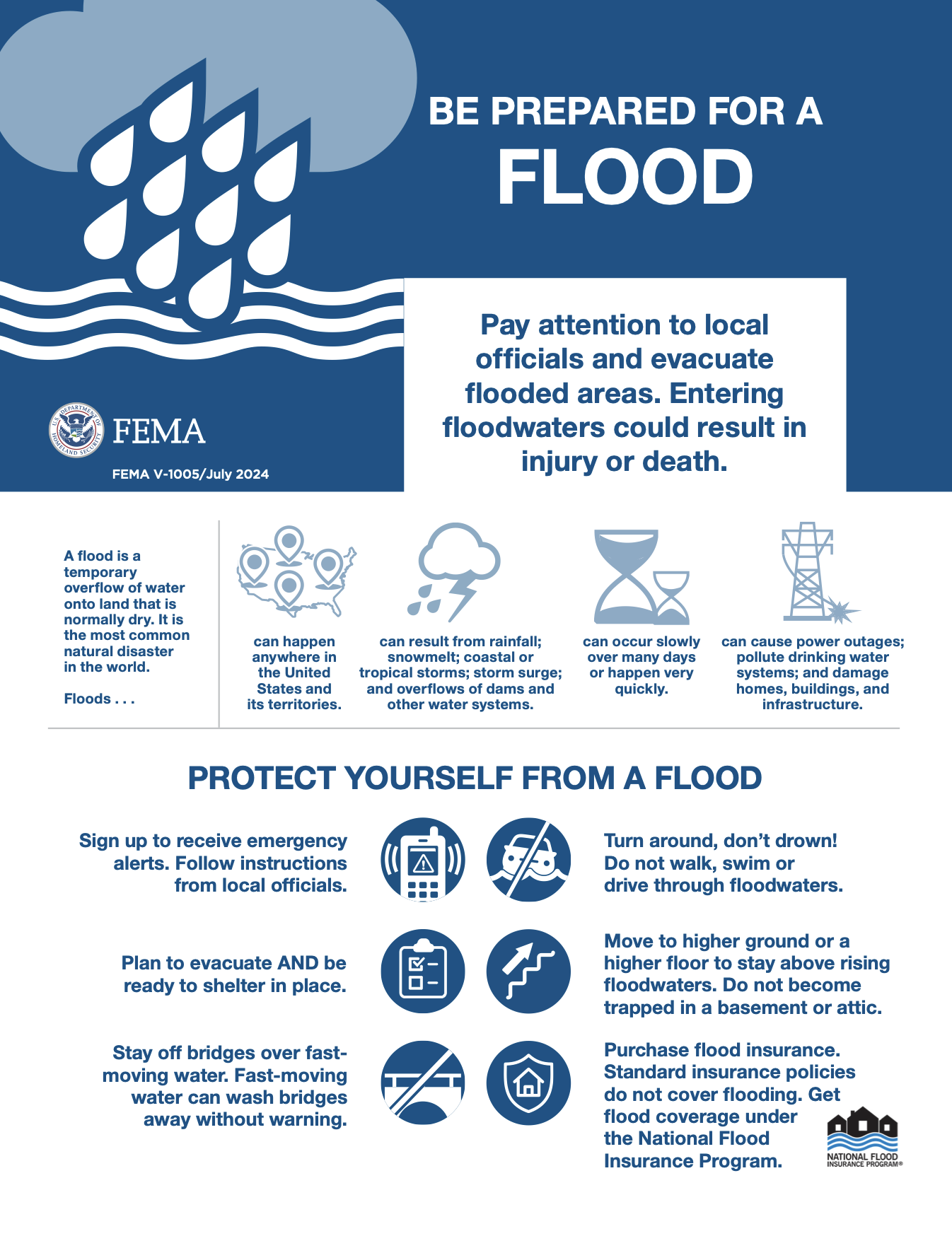
FEMA Flood Preparedness Fact Sheet
Flooding is the most common natural disaster. Stay prepared with this quick reference safety guide.
FLOOD INSURANCE
What is the NFIP?
The National Flood Insurance Program (NFIP) is a federal initiative managed by FEMA that provides property owners, renters, and businesses with an insurance alternative to disaster assistance.
Established in 1968, the program operates as a partnership: the federal government offers government-backed flood insurance to a community’s residents, provided the local government adopts and enforces floodplain management ordinances to reduce future flood risks.
who is ELIGIBLE?
Participating Communities: You are eligible to purchase an NFIP policy if your community (city, town, or county) participates in the program by following FEMA's flood-risk regulations.
Property Types: Coverage is available for homeowners, renters, and business owners for both building structures and personal contents.
Location: Eligibility is not restricted to high-risk zones; residents in moderate-to-low risk areas can also purchase coverage, often at lower "Preferred Risk" rates.
Mandatory Requirements: While insurance is generally optional, it is required by law for properties located in high-risk Special Flood Hazard Areas (SFHAs) that have a mortgage from a federally regulated or insured lender.
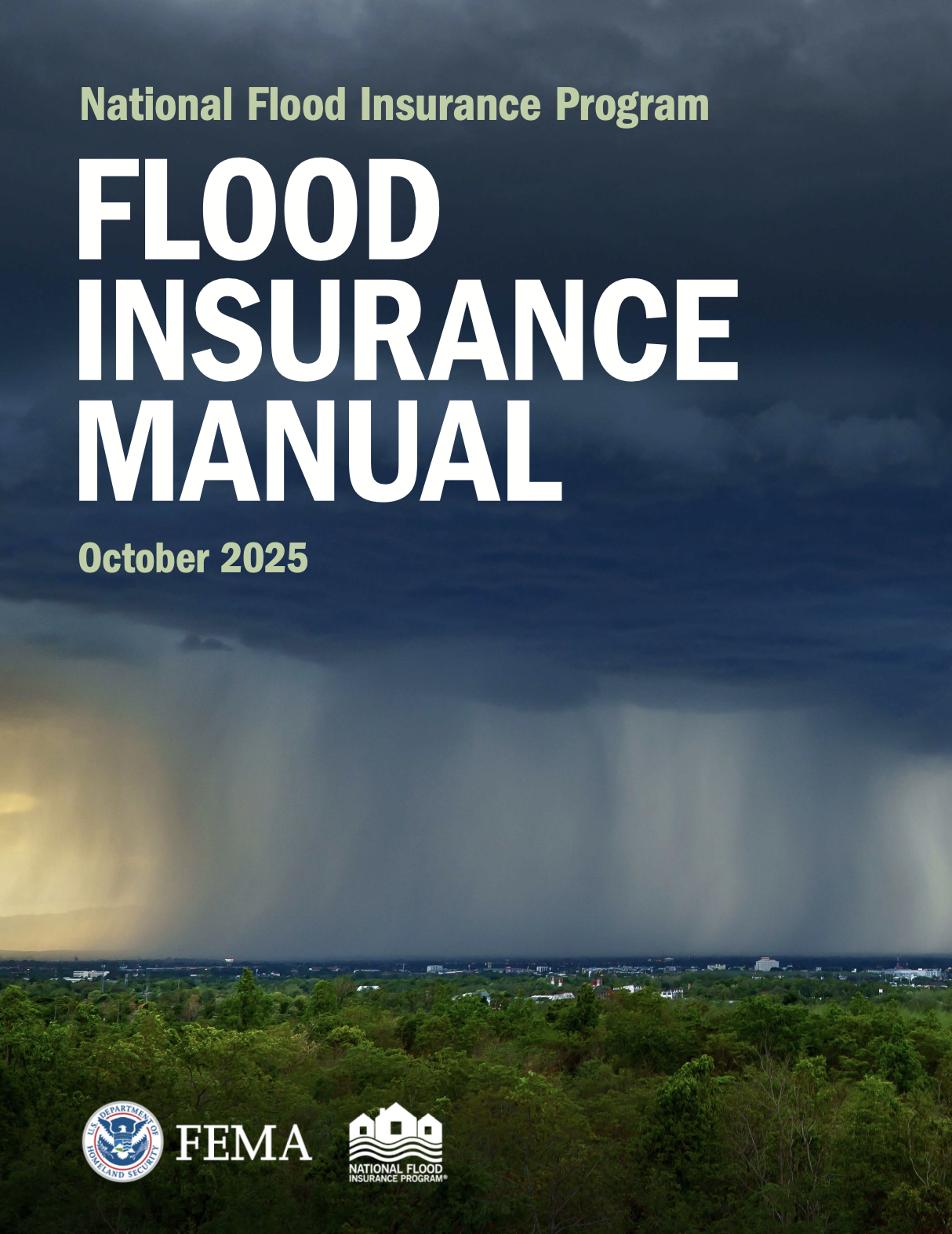
FLOOD INSURANCE MANUAL
The National Flood Insurance Program (NFIP) Flood Insurance Manual serves as the primary operational guidebook for insurance professionals, outlining the specific rules, premium rates, and underwriting policies required to write and service federal flood insurance.
Key Aspects of the Manual
Rating Criteria: It provides the framework for Risk Rating 2.0, which determines premiums based on individual property variables like distance to water and cost to rebuild.
Standardization: It ensures that every "Write Your Own" (WYO) private company and the NFIP Direct program apply federal regulations consistently.
Policy Types: The manual details the differences between the Standard Flood Insurance Policy (SFIP) forms, such as Dwelling, General Property, and Residential Condominium Building Association Policy (RCBAP).